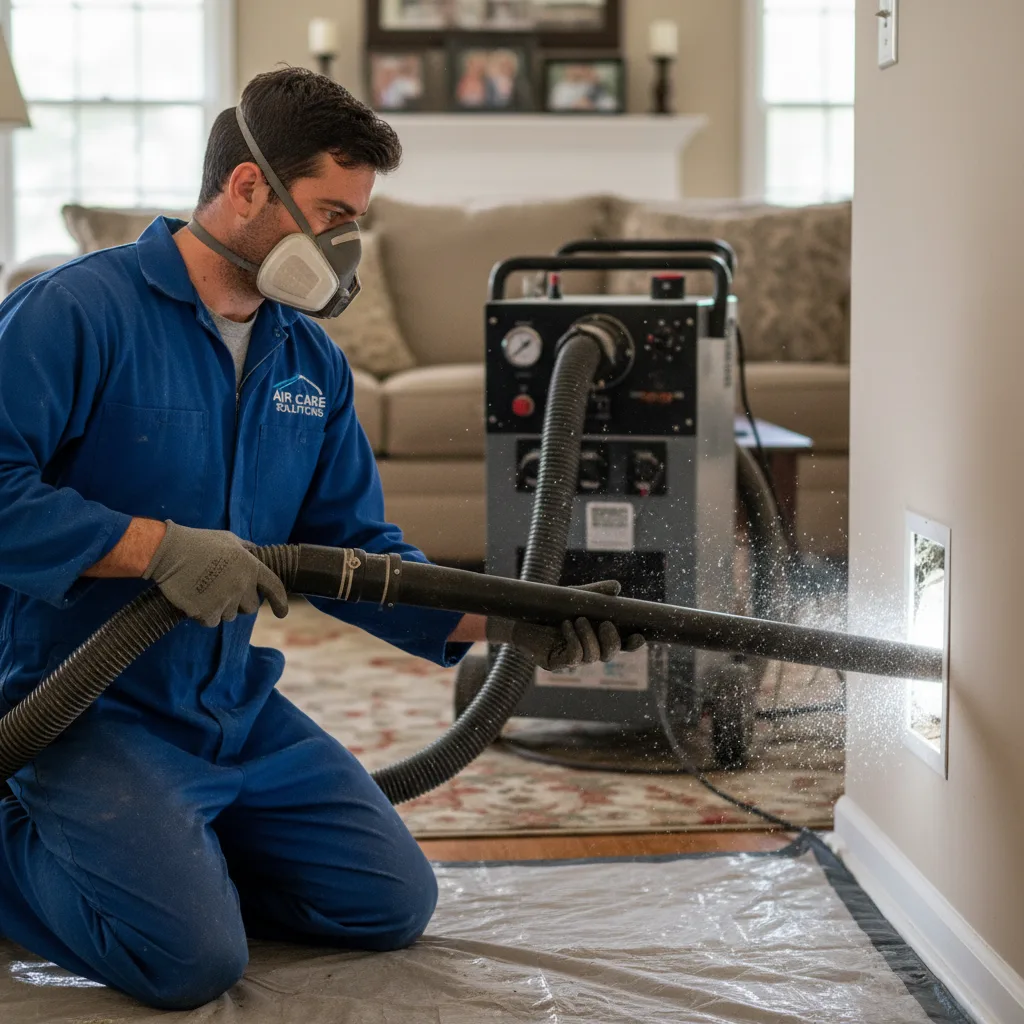
The "clean your air ducts every 3–5 years" advice you see everywhere is a blunt average — useful as a starting point, misleading as actual guidance. Your home is not average. A single-occupant condo in Phoenix is nothing like a 4-bedroom house in Houston with two dogs and a baby. Applying the same schedule to both homes means one gets cleaned too often (wasted money) and one not often enough (compromised air quality).
This guide breaks down the real factors that determine your optimal cleaning schedule. Want the calculation done for you? Use our free Cleaning Schedule Calculator — answer 6 questions about your home and get a personalized recommendation with an explanation.
Factors That Speed Up Contamination
Several variables cause ductwork to accumulate debris significantly faster than the average home. If your home has multiple of these, your effective cleaning interval should be shorter:
Pets That Shed
Dogs and cats that shed are the single biggest accelerant of duct contamination in residential homes. Pet hair and dander get pulled into return air grilles, coat the interior of ductwork, and recirculate continuously. Homes with one medium-to-large shedding dog or two cats typically see contamination levels in 2–3 years that a pet-free home takes 5 years to accumulate.
High Indoor Humidity
Humidity above 50–55% creates conditions favorable to mold and mildew growth inside ductwork. This is particularly relevant in bathrooms, laundry areas, and homes without properly dehumidified basements. Mold in ducts is not just an air quality problem — it can spread to other parts of the HVAC system and is expensive to remediate if caught late.
Older Homes
Homes built before the 1990s often have duct systems with more joints, more potential for leaks, and materials (like fiberglass-lined ductwork) that trap debris more readily. Older homes also tend to have accumulated years of contamination with less frequent cleaning history. If you bought a home over 20 years old and don't know when the ducts were last cleaned, assume they need cleaning now.
Household Members with Allergies or Asthma
This doesn't accelerate contamination, but it lowers the threshold at which cleaning is warranted. For allergy or asthma sufferers, even moderate contamination levels can trigger symptoms. These households benefit from shorter cleaning intervals — typically 2–3 years — and more frequent filter replacements.
Recent Renovation Work
Any demolition or construction inside your home — drywall work, flooring replacement, kitchen remodels — generates fine dust that infiltrates ductwork regardless of how carefully you seal vents. Post-renovation cleaning is recommended even if the ducts were recently cleaned. Read our renovation duct cleaning guide for more.
Quick risk check: If your home has 3 or more of these factors (pets, humidity, older home, allergies, recent renovation), you're likely in the 2–3 year cleaning interval range, not 5 years. Calculate your exact schedule →
Why Climate Matters More Than Most People Think
Where you live has a dramatic impact on duct contamination rates — yet most national "how often" guides ignore this entirely.
Humid South and Gulf Coast
States like Florida, Louisiana, Georgia, and coastal Texas have high year-round humidity that promotes mold growth in HVAC systems. HVAC systems in these climates run almost continuously for cooling, which means more air cycling and more particulate accumulation. Homes in these areas should target a 2–3 year cleaning interval as a baseline, with annual inspections for homes with additional risk factors.
Cold Northern Climates
In Minnesota, Wisconsin, Michigan, and similar states, homes are tightly sealed for 5–6 months of the year. This means less fresh air exchange and more recirculation of indoor air through the duct system. The heating system runs extensively, cycling the same air — and whatever's in your ducts — repeatedly. The accumulated effect is significant contamination by year 3–4, even in relatively clean homes.
Dry Western Climates
The lower humidity in states like Nevada, Arizona, Utah, and Colorado means mold is much less of a concern. However, dust — particularly fine desert particulate — is a factor. Homes near construction, dirt roads, or in dusty desert regions accumulate dry particulate faster than the national average. That said, the absence of moisture-driven mold means dry-climate homes typically have longer effective cleaning intervals of 4–6 years in the absence of other risk factors.
Warning Signs You're Overdue — Regardless of Schedule
No schedule is infallible. These signs mean your ducts need attention now, even if you cleaned them a year ago:
- Visible dust or debris blowing from supply vents when the system first turns on
- Musty, stale, or "dirty sock" odor when the HVAC runs
- Allergy or respiratory symptoms that improve when you leave the house
- Visible mold growth on or around vent grilles (dark spots, fuzzy growth)
- Pest evidence — droppings, nesting material, or unexplained odors suggesting rodents
- Dramatically uneven airflow between rooms that wasn't there before
- Significant spike in energy bills with no other explanation
How to Set Up a Schedule You'll Actually Follow
The most effective maintenance schedule is one you'll actually remember. Here's a simple framework:
- Run our calculator now: Get your personalized interval based on your specific home factors.
- Set a calendar reminder: Put "air duct inspection" in your calendar for 6 months before your estimated cleaning date. This gives you time to get quotes without rushing.
- Pair it with HVAC maintenance: Many contractors offer combined HVAC tune-up + duct inspection packages. Scheduling both at once makes it easier to remember and often comes with a discount.
- Document it: Keep a simple record of when cleaning was done and by whom. This is valuable for resale and for establishing a baseline for future cleanings.
- Reassess when life changes: Got a new pet? Had a baby? Completed a renovation? Reset your schedule based on your new home profile.
Get Your Personalized Cleaning Schedule
Our free Cleaning Schedule Calculator factors in your home size, climate, pets, and health needs to give you a data-driven recommendation.
Use the Free Cleaning Schedule Calculator →Related Guides
- How Often Should You Clean Your Air Ducts?
- 7 Signs Your Air Ducts Need Cleaning
- Air Duct Cleaning for Allergy Sufferers
🏢 Are You a Duct Cleaning Contractor?
Automate your follow-ups, quotes, and review requests with GoHighLevel — purpose-built for HVAC and duct cleaning businesses.
GoHighLevel for HVAC Businesses → Professional Quoting Software →