If you suffer from allergies, you've probably tried everything: antihistamines, air purifiers, hypoallergenic bedding, keeping windows closed during pollen season. At some point, someone suggests getting your air ducts cleaned. The logic seems sound — your HVAC system circulates air through every room, so dirty ducts must be spreading allergens, right?
The answer is: sometimes yes, sometimes no. Let's cut through the marketing hype and look at what actually works.
What Allergens Accumulate in Air Ducts?
Your duct system is essentially a network of tunnels that air passes through thousands of times. Over years, various allergens settle and accumulate on duct surfaces:
Dust Mites and Their Waste
Dust mites are the number one indoor allergen in the United States, affecting approximately 20 million Americans. These microscopic creatures thrive in warm, humid environments and feed on dead skin cells. Their waste particles — not the mites themselves — are what trigger allergic reactions. These particles settle in ducts and can be recirculated when your HVAC system runs.
Pet Dander
If you have pets (or the previous homeowner did), pet dander is almost certainly present in your ductwork. Cat allergens are particularly stubborn — studies show they can persist in a home for six months or more after a cat is removed. Pet dander particles are small enough to remain airborne for extended periods and settle deep inside duct systems.
Pollen
Pollen enters your home through open doors and windows, on clothing, and through your HVAC system's outdoor intake. Once inside, it settles in ducts and can be redistributed long after pollen season ends. This is why some allergy sufferers experience symptoms year-round despite local pollen counts being low.
Mold Spores
In humid climates or homes with moisture issues, mold can grow inside ductwork. Mold spores are potent allergens and can cause severe reactions in sensitive individuals. Unlike dust or pollen, mold actively produces new spores, making it a continuous source of allergens until the mold is physically removed and the moisture source is addressed.
Insect Debris
Cockroach allergens are a major trigger, particularly in urban areas. Insect body parts, droppings, and shed skins accumulate in ductwork and are circulated through the home. Even if you don't see cockroaches in your living spaces, they may be present in your duct system.
How much builds up? The average home generates approximately 40 pounds of dust per year. A significant portion of this enters the HVAC system and settles in ductwork, where it accumulates over years or decades if never cleaned.
What the EPA Actually Says
The EPA's position on duct cleaning and allergies is nuanced — and often misquoted by both sides of the debate:
The EPA states that duct cleaning "has never been shown to actually prevent health problems" and that "studies do not conclusively demonstrate that particle levels in homes increase because of dirty air ducts." However, the EPA also says you should consider duct cleaning if:
- There is substantial visible mold growth inside ducts or on HVAC components
- Ducts are infested with vermin (rodents or insects)
- Ducts are clogged with excessive amounts of dust and debris that are being released into the home
The key takeaway: the EPA doesn't say duct cleaning is useless — it says the evidence for routine cleaning as a health measure is inconclusive. For specific contamination situations, they recommend it.
When Duct Cleaning Actually Helps Allergy Sufferers
Based on the available evidence and expert recommendations, duct cleaning is most likely to benefit allergy sufferers in these specific situations:
After Moving Into a Home With Pets (When You're Allergic)
If you're allergic to pets and you've moved into a home where pets previously lived, duct cleaning can make a significant difference. Pet dander embedded in ductwork will continue circulating for months or years without cleaning, keeping your allergen exposure elevated regardless of other measures you take.
Visible Mold in Ducts
If you can see mold growth on duct surfaces or HVAC components, cleaning is not optional — it's necessary. Mold spores are aggressive allergens, and a contaminated HVAC system distributes them to every room in your home every time it runs.
Post-Renovation
After any major renovation, construction dust containing multiple allergens fills your ductwork. This dust includes fine particles that bypass standard HVAC filters and can trigger allergic reactions for months if not professionally removed.
Homes That Haven't Been Cleaned in 10+ Years
If your home's ducts have never been cleaned — or haven't been cleaned in over a decade — the accumulated buildup is likely significant enough to contribute to indoor allergen levels. This is especially true in older homes with original ductwork.
Vermin Infestation
Rodent or insect activity in your duct system leaves behind droppings, urine, body parts, and nesting materials that are all potent allergens. Professional cleaning is essential in these cases.
When Duct Cleaning Probably Won't Help
Duct cleaning isn't a silver bullet. Here are situations where it's unlikely to make a noticeable difference for allergy symptoms:
- Recently cleaned ducts: If your ducts were professionally cleaned within the last 3–5 years and there's been no renovation or contamination event, cleaning again won't provide meaningful benefit
- Outdoor allergies only: If your allergies are triggered exclusively by outdoor pollen during specific seasons, duct cleaning won't address the root cause
- Poor filtration: If you're using a low-quality HVAC filter (MERV 4 or lower), cleaning your ducts won't solve the problem — the ducts will just get dirty again quickly. Address filtration first
- Other major allergen sources: If your home has wall-to-wall carpet, visible mold in bathrooms, or significant moisture issues, duct cleaning alone won't provide relief. You need to address all sources
🚨 Be wary of: Any duct cleaning company that guarantees allergy relief. No reputable company should promise that cleaning your ducts will cure or significantly reduce allergy symptoms. The relationship between duct cleanliness and symptoms is real but complex, and results vary significantly between individuals and homes.
Complementary Steps That Maximize Results
If you do decide to get your ducts cleaned for allergy reasons, combine it with these measures for the best results:
Upgrade Your HVAC Filter
After duct cleaning, install a high-quality filter (MERV 11–13) to keep ducts cleaner longer. Higher MERV ratings catch smaller particles including many allergens. Replace filters every 60–90 days, or monthly during heavy allergy seasons. Check your system's specifications — not all HVAC systems can handle high-MERV filters without reduced airflow.
Control Humidity
Keep indoor humidity between 30% and 50%. Dust mites thrive above 50% humidity, and mold grows above 60%. A dehumidifier in humid climates or seasons can significantly reduce both allergen populations. This is one of the most cost-effective allergy reduction strategies available.
Consider an Air Purifier
A quality HEPA air purifier in bedrooms and main living areas captures particles your HVAC filter misses. This is especially effective for pollen and pet dander. See our comparison of duct cleaning vs. air purifiers for guidance on which approach — or combination — works best.
Regular HVAC Maintenance
Annual HVAC maintenance keeps your system running efficiently and catches potential contamination issues early. A clean evaporator coil and drain pan prevent moisture buildup that feeds mold and bacteria.
Address Moisture Sources
Fix any leaks, improve bathroom ventilation, and ensure proper drainage around your foundation. Moisture is the root cause of mold growth and dust mite proliferation — without addressing it, even clean ducts will eventually develop problems.
Best Timing for Allergy-Related Duct Cleaning
Strategic timing can maximize the benefits of duct cleaning for allergy sufferers:
| Season | Why Clean Now | Best For |
|---|---|---|
| Late winter (Feb–Mar) | Before spring pollen season starts | Pollen allergy sufferers |
| Late summer (Aug–Sep) | Before fall ragweed and heating season | Ragweed/dust mite sufferers |
| After pollen season | Remove accumulated pollen from ducts | Severe pollen allergies |
| Before winter heating | Clear dust before heavy HVAC use | Dust mite/general allergies |
The worst time is during peak allergy season, when opening vents for cleaning could temporarily increase indoor allergen levels.
What to Expect: Cost and Process
Standard residential duct cleaning costs $300 to $700 depending on home size and location. For allergy-focused cleaning, look for companies that:
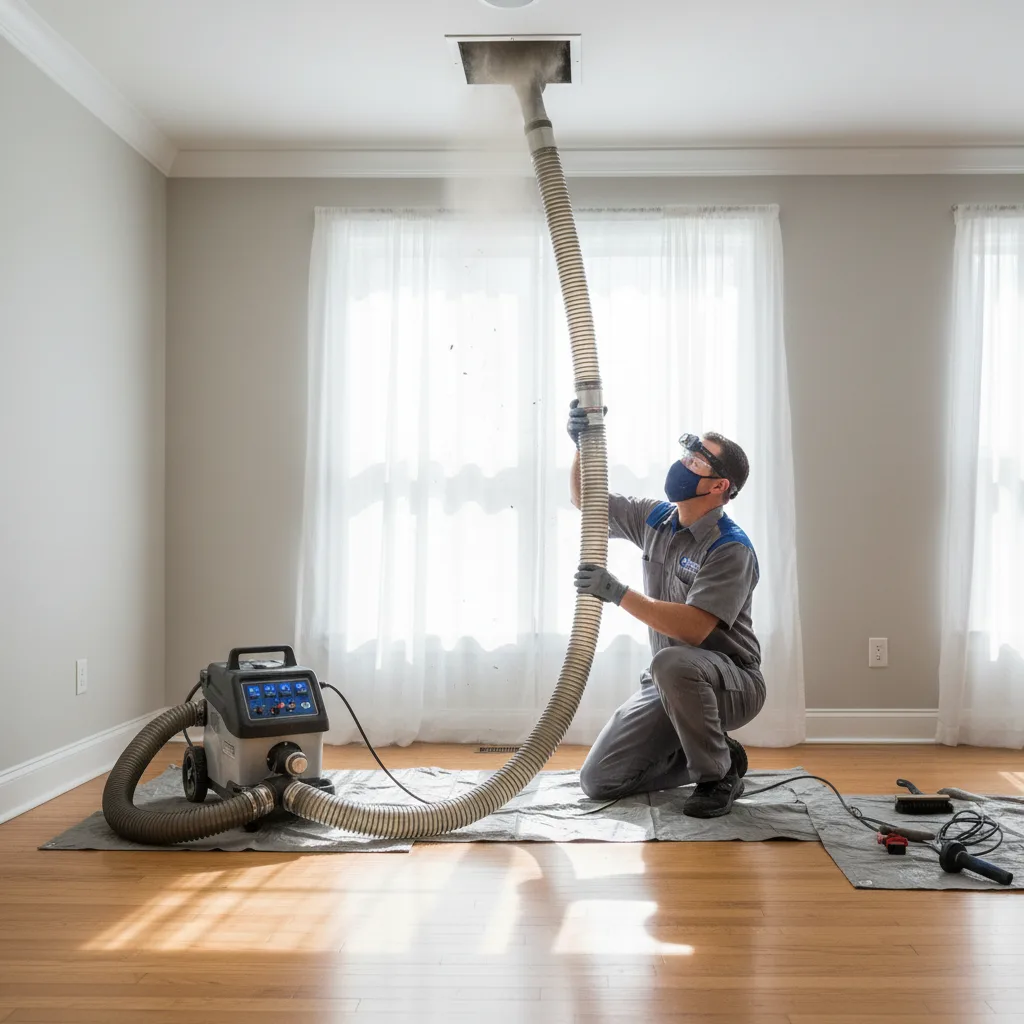
- Use source removal (negative pressure + mechanical agitation) — not just chemical sprays
- Clean the entire system including return ducts, air handler, and coil
- Are NADCA certified with trained technicians
- Offer before and after visual documentation
- Replace your HVAC filter as part of the service
Use our free cost calculator to get a personalized estimate for your home and location.
Get Allergy-Focused Duct Cleaning Quotes
Connect with certified professionals who understand allergy-related duct cleaning needs.
The Bottom Line
Air duct cleaning isn't a cure for allergies, and anyone who tells you otherwise is selling something. But for specific situations — pet dander contamination, visible mold, post-renovation homes, and decades-old buildup — it's a legitimate part of a comprehensive indoor air quality strategy.
The key is to have realistic expectations, combine duct cleaning with other allergen reduction measures, and choose a certified professional who uses proper source removal methods. Skip the $49 specials and invest in quality service that actually removes contaminants rather than just stirring them up.
🏢 HVAC Contractors: Capture the Allergy Market
Allergy-related duct cleaning is a growing niche. GoHighLevel helps you build targeted campaigns for allergy season and automate follow-up with health-conscious homeowners.
GoHighLevel for HVAC Businesses → Professional Quoting Software →