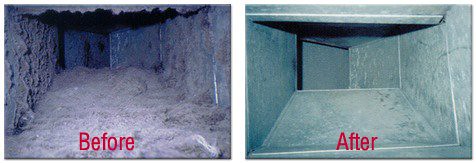
The top signs your air ducts need cleaning are: visible dust blowing from vents, musty or moldy odors when the HVAC runs, uneven airflow between rooms, increased allergy symptoms indoors, and dust buildup on vent covers. If you notice any two of these, it's time to schedule an inspection.
The truth is, most homes don't need their ducts cleaned. But certain specific symptoms are genuine indicators. Here's how to tell the difference.
Get Your Free Cost Estimate
Enter your home size, symptoms, and city for an instant 2026 price range.
Signs That Genuinely Point to Your Ducts
1. Visible Mold Growth Inside the Vent Grilles
Not dark discoloration on the vent cover — that's often just dust accumulation. We're talking about actual fuzzy, splotchy, or spreading growth visible inside the vent opening or on the duct surface behind the grille. Mold needs moisture to grow, so if it's in your ducts, you have a moisture problem in your ductwork that needs to be fixed first.
What to do
Have a professional inspection with a camera scope. If mold is confirmed, you need both remediation and duct cleaning. Don't just clean the ducts — find and fix the moisture source or the mold will return.
2. A Persistent Musty Smell When the HVAC Runs
There's a difference between the slight dusty smell when you first turn on your heat in the fall (normal) and a persistent musty, earthy, or swamp-like smell that comes back every time the system runs. The musty smell is the most commonly reported sign of biological contamination in ducts.
Key distinction
Dusty smell at seasonal startup that clears after 30 minutes = normal. Musty smell that persists or returns within hours = problem. The smell test is one of the most reliable indicators something is actually wrong inside your duct system.
3. Dust visibly streaming from vents (not just at startup)
Brief dust at startup is normal — it's dislodged filter media or settled dust in the duct. Persistent, continuous dust output when the system runs is not. The 24-hour test: after a fresh filter change, run the system for 24 hours and hold a tissue in front of each supply vent. Any dust accumulation means real output. See our full guide on dust coming from vents.
4. Unexplained Respiratory Symptoms That Correlate With HVAC Use
If someone in the household consistently feels worse (more congested, coughing, eye irritation, headaches) when the HVAC is running but feels better away from home, and you've ruled out other causes, it's worth investigating your ducts. This is especially true if symptoms appeared after a water event (flooding, a leak, a failed AC that left standing water).
Important context from the EPA
The EPA states that duct cleaning has not been shown to prevent allergies or respiratory symptoms in healthy people. However, if there is documented biological contamination in the ducts, removing it can help. The benefit is specific to contamination, not general dust.
5. A Significant Dust Event in the Home
Renovation work, major construction, or a catastrophically failed HVAC filter can dump a large amount of debris into the duct system. This isn't normal accumulation — it's an acute contamination event. If you had construction work done and dust is coming from your vents, see our post-renovation guide.
6. Evidence of Pest or Animal Activity in the Ductwork
Rodents and birds sometimes nest in ductwork, particularly in homes with attic ductwork or in rural areas. Droppings, nesting material, or dead animals in the duct system create serious health hazards and require professional removal, sanitation, and duct repair — in addition to cleaning.
7. After a Water Damage Event Involving the HVAC
If your home flooded and the flood water reached the air handler, return ductwork, or any part of the HVAC system, the ducts will need professional water extraction, sanitization, and cleaning before the system is used. Standing water in ductwork is a severe contamination event.
Signs That Don't Mean Your Ducts Need Cleaning
1. Moving to a New Home
The "you don't know what the previous owners did" argument is a classic sales pitch. There's no evidence that previous ownership history meaningfully affects duct contamination in a way that requires cleaning at sale. Clean when you see symptoms, not because the previous owner might have had the system for 20 years.
2. Seasonal Allergy Symptoms Alone
Seasonal allergies are caused by pollen, ragweed, and outdoor mold — not by your ductwork. If your allergies flare up in spring and fall but you don't have other duct-specific symptoms (musty smell, visible dust), your ducts are probably not the cause. See an allergist first.
3. Dust on Furniture Even Though You Clean Constantly
This is almost always caused by one of three things: (1) your filter is wrong, missing, or overdue for replacement, (2) you have air leaks in your building envelope letting in outside dust, or (3) your HVAC system's return is pulling dust from an unusual location. Cleaning the ducts won't fix a filter problem or a building envelope issue.
How to Actually Diagnose Your Ducts
The only way to know what's in your ducts with certainty is a visual inspection with a camera scope — the kind a NADCA-certified technician can perform. Here's the process:
- Rule out the filter first. Change to a fresh MERV 11 filter. Run the system for a week. If symptoms persist, the problem is likely in the ducts.
- Check your vents. Remove a supply vent grille and look inside the duct with a flashlight. You're looking for visible debris, dark discoloration (could be mold), or animal evidence.
- Call for a camera inspection. A legitimate duct cleaning company will send a technician to inspect with a scope before quoting. If a company wants to clean without inspecting first, that's a red flag.
- Get the inspection report. A proper inspection should include before/after photos from inside the ductwork. You want to see what was there before you pay for cleaning.
Are You an HVAC Contractor?
GoHighLevel helps HVAC and duct cleaning companies manage leads, automate follow-ups, and build recurring revenue. Purpose-built for home service businesses.
Try GoHighLevel Free for 14 DaysNot Sure What Your Symptoms Mean?
Get free quotes from local NADCA-certified technicians who can inspect your system with a camera scope.